Infant Reflux: Simple Strategies to Help Your Baby Feed More Comfortably
 If your baby spits up, arches their back, or seems uncomfortable during feedings, you may have heard the phrase, “All babies have reflux—don’t worry about it.” While it’s true that some reflux is common in infants due to their developing digestive systems, that doesn’t mean feeding has to be uncomfortable for your baby or stressful for you.
The good news is that a few simple feeding and positioning strategies may help reduce reflux symptoms and make feeding time more enjoyable.
What Is Infant Reflux?
Infant reflux occurs when stomach contents flow back into the esophagus (the tube connecting the mouth to the stomach). Because babies have immature digestive systems, occasional spit-up is normal, especially during the first few months of life.
However, some babies experience more noticeable symptoms that can affect feeding, comfort, and sleep.
Signs Your Baby May Be Experiencing Reflux
While every baby is different, common signs of reflux include:
Frequent or Large Amounts of Spit-Up
A small amount of spit-up is normal. If your baby regularly spits up larger amounts after feedings, reflux may be contributing.
Arching the Back During or After Feeding
Babies often communicate discomfort through movement. Arching the back during or after feeds may be a sign that your baby is trying to relieve digestive discomfort.
Signs of Discomfort During Feeding
Watch for behaviors such as:
- Fussiness during feeds
- Pushing away the breast or bottle
- Facial grimacing
- Brow furrowing or arching
- Turning red while feeding
These signs may indicate that feeding is uncomfortable for your baby.
Feeding Strategies to Help Reduce Reflux
Try an Elevated Side-Lying Feeding Position
Feeding your baby in a slightly elevated side-lying position, particularly on the left side when appropriate, may help reduce reflux by improving the relationship between the stomach and esophagus.
Burp More Frequently
For breastfed babies:
- Burp when switching sides.
- Burp again at the end of the feeding.
For bottle-fed babies:
- Burp approximately every ½ ounce or every 5 minutes during feeding.
Frequent burping can help reduce air in the stomach and improve feeding comfort.
Offer Non-Nutritive Sucking After Feeding
Using a pacifier after a feeding may help some babies soothe themselves and reduce spit-up by encouraging swallowing.
Keep Your Baby Upright After Feeding
Hold your baby upright at approximately a 60–90 degree angle for 20–30 minutes after feeding whenever possible. This position may help keep stomach contents where they belong.
Make Diaper Changes More Reflux-Friendly
If possible, change diapers before feeding when your baby’s stomach is empty.
When changing a diaper after a feeding:
- Use a slightly elevated surface if available.
- Roll your baby gently to the side when cleaning instead of lifting both legs high into the air.
- Avoid putting excessive pressure on the stomach.
Limit Vigorous Movement After Feeding
Bouncing, active play, or rapid position changes immediately after feeds may increase reflux symptoms. Gentle handling can help your baby stay comfortable.
The Role of Positioning in Reflux Management
Positioning can have a significant impact on reflux symptoms throughout the day.
Be Cautious With Supported Sitting
Many parents assume sitting upright will reduce reflux, but for young infants, especially those under 6 months of age, supported sitting immediately after feeding may actually worsen symptoms.
When babies sit in a slumped position, pressure on the stomach increases, making reflux more likely.
This is one reason why excessive time in containers such as:
- Swings
- Bouncers
- Infant seats
- Car seats (outside of travel)
may contribute to reflux symptoms.
Limiting time in these devices also supports healthy motor development and opportunities for movement and play.
Encourage Elevated Tummy Time

During awake and supervised play, tummy time with your baby’s head positioned slightly higher than their bottom may help reduce reflux symptoms.
This position allows stomach contents to settle lower in the stomach while also promoting important strength and motor skill development.
Try Left Side-Lying Play
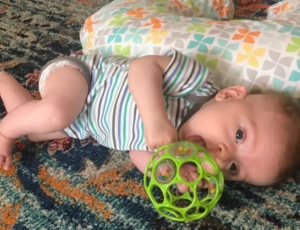 During awake and supervised play, spending short periods on the left side may support digestion and help reduce reflux symptoms in some infants.
Always monitor your baby closely and follow safe positioning recommendations during play.
The Importance of Safe Sleep
Quality sleep is important for all babies, especially those experiencing reflux symptoms.
When babies are well rested, their bodies are often better able to regulate stress and discomfort. Supporting healthy sleep routines throughout the day and night can help improve overall comfort and well-being.
Remember: Always follow current safe sleep guidelines. Babies should be placed on their backs to sleep on a firm, flat sleep surface without pillows, wedges, or loose bedding.
The Connection Between Reflux and Torticollis
Research has shown a relationship between reflux (GERD) and torticollis.
Torticollis is a condition in which a baby develops a preference for turning or tilting their head to one side. In some cases:
- Reflux discomfort may cause a baby to adopt certain head positions to feel better.
- Increased muscle tension associated with torticollis may affect feeding and digestion.
Because these conditions often occur together, addressing both reflux symptoms and torticollis can improve:
- Feeding success
- Comfort during daily activities
- Gross motor development
- Overall quality of life
A pediatric physical therapist can help evaluate your baby’s movement patterns and develop an individualized treatment plan when needed.
When to Seek Professional Help
Talk with your pediatrician if your baby:
- Has poor weight gain
- Refuses feeds consistently
- Appears to be in significant pain during or after feeding
- Has persistent coughing, choking, or breathing difficulties
- Experiences worsening reflux symptoms
Early intervention can help identify underlying concerns and support your baby’s feeding and development.
Final Thoughts
While some reflux is a normal part of infancy, feeding should not be a constant source of stress for you or discomfort for your baby. Small adjustments to feeding positions, burping routines, play activities, and daily handling can often make a meaningful difference.
If you have concerns about your baby’s reflux, feeding, or motor development, a pediatric physical therapist can work alongside your pediatrician to help your child thrive.
Additional Resources
- Mayo Clinic: Infant Acid Reflux Overview
- Prevalence of Gastroesophageal Reflux Disease in Infants (Pediatric Physical Therapy)
- Infant Motor Development and Equipment Use in the Home (PubMed)
- The Infant Seat as Treatment for Gastroesophageal Reflux (PubMed)
- Body Positioning and Medical Therapy for Infantile Gastroesophageal Reflux Symptoms (PubMed)