How Physical Activity Improves Brain Health
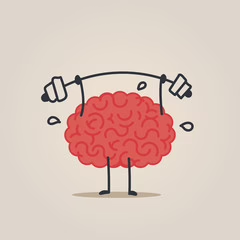
Most people know that regular exercise is good for their heart, muscles, and joints. But did you know it can also improve brain health?
Research shows that regular physical activity helps keep your brain healthy at every stage of life. Exercise can improve attention, memory, learning, problem-solving, and decision-making. It may also help slow age-related cognitive decline and reduce the risk of conditions such as Alzheimer’s disease.
How Exercise Helps Your Brain
One of the biggest ways exercise benefits your brain is by increasing blood flow. As your heart rate rises during physical activity, your brain receives more oxygen and nutrients. This supports healthy brain cells, improves communication between them, and helps your brain work more efficiently.
Exercise also promotes neuroplasticity, which is your brain’s ability to grow, adapt, and form new connections. Activities that challenge your coordination, balance, or require learning new movements encourage your brain to build these new pathways.
The benefits aren’t just long-term. Even one workout can improve attention, processing speed, and working memory for a short period of time. If you’re preparing for an important presentation, studying for an exam, or simply want to feel more focused, taking a walk, going for a jog, or completing a workout beforehand may help sharpen your thinking.
The greatest benefits come from staying active consistently. Regular exercise over months and years supports both your physical and cognitive health.
Exercises That Support Brain Health
No matter your fitness level, there are many ways to get moving. The key is choosing activities you enjoy and can perform regularly. Consistency is far more important than intensity.
Beginner Exercises
If you’re just getting started or returning to exercise after a break, try these activities:
- Brisk walking
- Stationary cycling
- Seated or standing marching
- Sit-to-stand exercises from a chair
- Wall push-ups
- Yoga or tai chi
- Dancing
If you’re unsure where to begin, consider joining a fitness class at your local gym or community center. Guided classes can help you learn proper technique while keeping you motivated.
Intermediate Exercises
If you’re already active, consider adding:
- Jogging
- Outdoor cycling
- Strength training with dumbbells or machines
- Step-ups
- Lunges
- Lateral band walks
- Medicine ball throws
Advanced Exercises
For experienced exercisers looking for a greater challenge, try:
- Interval training
- Box jumps
- Broad jumps
- Olympic-style lifts
- Turkish get-ups
- Pistol squats
- Agility and reaction drills, such as ladder drills
When to See a Physical Therapist
If you’re unsure which exercises are right for you or have pain, balance problems, or other physical limitations, a physical therapist can help. They will evaluate your strength, mobility, balance, and overall health to create a personalized exercise program that is both safe and effective.
Whether your goal is improving memory, staying independent as you age, recovering from an injury, or simply living a healthier lifestyle, regular movement is one of the best investments you can make in your future.
For additional exercise recommendations, visit the American Heart Association’s Physical Activity Guidelines for Adults.
By making physical activity part of your daily routine, you’re strengthening both your body and your brain—today and for years to come.