Halloween Candy Activities for Kids: Fun Ways to Learn and Play
Halloween often leaves kids with bags brimming with candy—but what’s a parent to do with all those sweets? Beyond enjoying a few favorite treats, Halloween candy activities for kids can offer opportunities to practice vocabulary, following directions, and fine motor skills.
Here are some creative ways to use leftover Halloween candy, along with important safety tips for parents.
Creative Ways to Manage Leftover Halloween Candy
A little planning can help your family enjoy Halloween treats without feeling overwhelmed by the candy stash.
- Make a candy plan: Decide when your family will enjoy candy, and help your child choose their favorites. Setting expectations together can make the days after Halloween easier.
- Offer an optional candy trade: Let your child exchange some unwanted candy for a book, game, or special activity together.
- Get creative with crafts: Use clean candy wrappers to make colorful collages or decorate a paper pumpkin. Keep wrappers and small craft materials away from children who may put them in their mouths.
Halloween Candy Activities to Practice Speech and Language Skills
You don’t have to eat candy to use it for learning! Wrapped treats or pictures of candy can become props for simple language games. Choose materials appropriate for your child’s age and abilities, and supervise activities.
Describe and Compare Candy
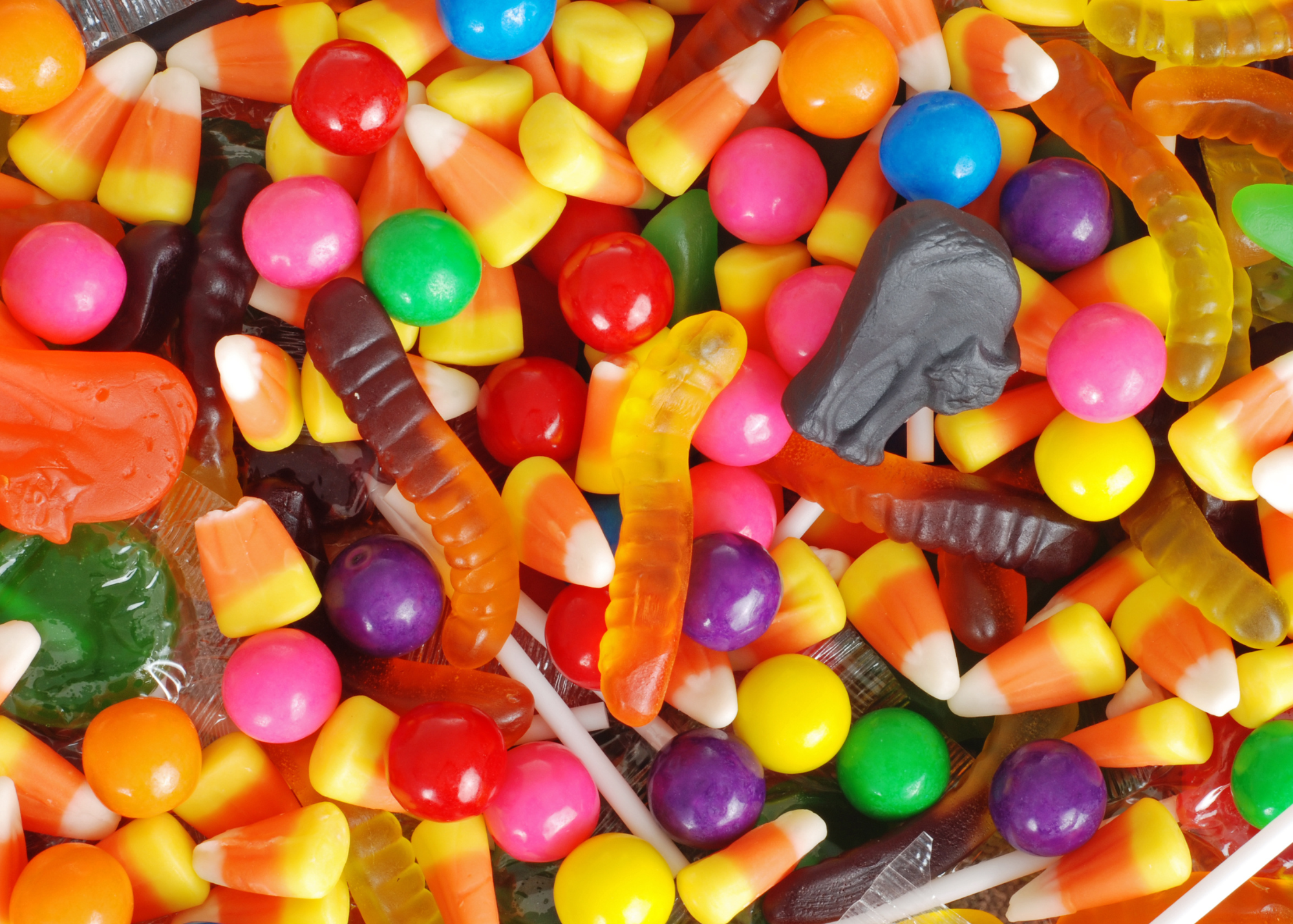
Encourage your child to describe candy colors, shapes, sizes, and packaging. Ask questions such as:
- “What color is the wrapper?”
- “Which one is bigger?”
- “How are these two candies different?”
If your child is enjoying a treat that is appropriate for them, talk about its taste or texture after they finish chewing and swallowing. Words like “sweet,” “smooth,” and “crunchy” give you new vocabulary to explore together.
Model Longer Phrases
Offer two choices and model language that builds on your child’s response. If your child says “chocolate,” you might respond, “You picked the big chocolate!”
Keep the conversation relaxed. Your child can participate without repeating your exact words.
Support Different Ways to Communicate
Children can make choices using speech, signs, gestures, pictures, or an augmentative and alternative communication (AAC) system. Model words such as “more,” “open,” and “all done” using the communication methods your child uses.
Accept their responses without requiring a spoken word or sign before giving them a treat. Learn more about how pediatric speech therapy at Kids Place supports communication.
Practice Following Directions
Use wrapped candy or candy pictures to practice directions:
- One step: “Point to the yellow wrapper.”
- Two steps: “Find the red candy, then put it in the bowl.”
- Position words: “Put the candy beside the pumpkin.”
Start with directions your child can follow comfortably, then add a challenge when they’re ready.
Halloween Candy Activities for Fine Motor Practice
Sorting and crafting give children opportunities to practice using their hands together and coordinating what they see with how they move.
Try these activities with appropriate supervision:
- Sort wrapped candy: Group pieces by wrapper color, shape, or size.
- Make a pattern: Arrange candy pictures or wrapped treats in a repeating sequence, such as orange, purple, orange, purple.
- Create wrapper art: Use clean wrappers and a glue stick to decorate a paper trick-or-treat bag.
- Practice opening wrappers: For children ready for the task, opening an appropriate treat offers practice grasping, pulling, and using both hands.
For younger children or children who mouth objects, use large paper candy shapes instead of real candy or loose wrappers.
If everyday tasks such as opening packages, using utensils, or managing clothing fasteners are difficult, pediatric occupational therapy can help address the skills involved.
Halloween Candy Safety: Choking Hazards Parents Should Know
Some Halloween treats pose a choking risk, especially for young children. The CDC’s choking prevention guidance identifies these potential hazards:
- Hard or round candy
- Gummy candies, gumdrops, and jelly beans
- Caramels and other sticky or chewy candy
- Chewing gum
- Marshmallows
- Whole or chopped nuts
The American Academy of Pediatrics recommends keeping high-risk foods away from children until at least age 4, and longer when their development or chewing skills make those foods unsafe. Turning 4 does not automatically make every candy appropriate.
Help Children Enjoy Treats Safely
- Have children sit upright while eating.
- Supervise closely and avoid eating while walking, running, playing, or riding in the car.
- Choose foods that match your child’s chewing and swallowing abilities.
- Check labels for allergens and discard treats with damaged or open packaging.
- Keep wrappers, small toys, and other choking hazards away from young children.
If your child has feeding or swallowing difficulties, ask their care team which treats and textures are appropriate. Supervision alone does not make a high-risk candy safe.
Make the Most of Halloween Candy with Play and Conversation
Your child’s Halloween stash can inspire more than snack time. Sorting wrappers, describing colors, making patterns, and creating art are simple ways to enjoy the holiday together while practicing everyday skills.
Have questions about your child’s communication or fine motor development? Contact Kids Place to request an appointment and learn how our pediatric therapists can help.
Happy Halloween! 🎃