Physical Therapy and Concussions: What You Need to Know About Recovery
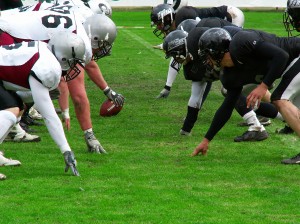
If you or your child plays sports, you have probably heard the word concussion many times. Concussions can happen in football, soccer, basketball, hockey, cheerleading, gymnastics, and many other sports. They can also happen outside of sports from falls, bike accidents, playground injuries, or other impacts.
The good news is that most children and teens recover from a concussion with appropriate care. However, a concussion is a brain injury, and it should always be taken seriously. Knowing what to look for, what to do after an injury, and how physical therapy can support recovery can help you feel more confident if your child experiences a concussion.
What Is a Concussion?
A concussion is a type of mild traumatic brain injury (TBI) caused by a bump, blow, or jolt to the head or by a hit to the body that causes the head and brain to move rapidly back and forth.
This sudden movement can temporarily change how the brain works. A concussion can affect how your child:
- Thinks and concentrates
- Remembers information
- Moves and maintains balance
- Sees
- Sleeps
- Feels emotionally
- Handles physical activity
A concussion does not always involve a loss of consciousness. In fact, most concussions happen without the person passing out. Your child can have a concussion even if they were awake and talking immediately after the injury.
Concussions can happen in any sport. Current CDC data show that about 7 out of 10 emergency department visits for sports- and recreation-related traumatic brain injuries and concussions are among children ages 17 and younger. Girls also have a higher rate of sports-related concussion than boys in some sports played under the same rules, including soccer and basketball.
What Are the Signs and Symptoms of a Concussion?
Concussion symptoms are not always obvious. Some children may immediately complain of a headache or dizziness, while others may simply seem “off” or act differently than usual.
Symptoms can also develop hours or even days after the injury.
Physical Symptoms
Your child may experience:
- Headache or pressure in the head
- Dizziness
- Balance problems
- Nausea
- Fatigue or unusual tiredness
- Blurred or double vision
- Sensitivity to light or noise
- Feeling slowed down
- Sleep changes
- Numbness or tingling
Thinking and Memory Symptoms
You may notice:
- Difficulty concentrating
- Trouble remembering things
- Confusion
- Slower thinking
- Feeling “foggy” or “hazy”
- Difficulty completing schoolwork
- Forgetting instructions or assignments
Emotional and Behavioral Symptoms
A concussion can also affect your child’s mood or behavior. They may experience:
- Irritability
- Anxiety
- Sadness
- Mood swings
- Increased emotional reactions
- Nervousness
- Changes in behavior
- Less tolerance for stress
Parents often know when their child is simply “not acting like themselves.” Trust your instincts and share these changes with your child’s healthcare provider.
What Should You Do If You Suspect a Concussion?
If your child takes a hard hit, falls, or experiences a sudden jolt and develops concussion symptoms, remove them from sports or physical activity right away.
Do not allow your child to “tough it out” or return to the game to see if they feel better. The CDC recommends that an athlete with a suspected concussion stay out of sports on the day of the injury and until they have been evaluated and cleared by a healthcare provider.
Your child should be evaluated by a healthcare provider who can determine whether a concussion occurred and help guide recovery.
Watch for Concussion Danger Signs
Most concussions do not require emergency treatment, but certain symptoms can signal a more serious brain injury.
Seek emergency medical care immediately if your child develops:
- A headache that gets worse and does not go away
- Repeated vomiting
- Increasing confusion or unusual behavior
- Extreme drowsiness or difficulty waking up
- Weakness, numbness, or decreased coordination
- Slurred speech
- A seizure
- Difficulty recognizing people or places
- One pupil larger than the other
- Loss of consciousness
These symptoms require prompt medical attention.
Does My Child Need Complete Rest After a Concussion?
This is one area where concussion care has changed significantly.
In the past, children were sometimes told to stay in a dark room and avoid almost all physical and mental activity until every symptom disappeared. Current concussion guidelines do not recommend prolonged, strict rest or complete isolation.
Instead, experts recommend a short period of relative rest, followed by a gradual return to normal activities as symptoms allow.
During the first 24–48 hours, your child may need to reduce activities that significantly increase symptoms. After that, light physical activity, such as walking, may be introduced if it does not significantly worsen symptoms.
The goal is not to keep your child completely inactive. The goal is to gradually help the brain and body return to normal activity without overwhelming the system.
What About School After a Concussion?
Getting back to school is an important part of concussion recovery.
Your child may temporarily have trouble reading, concentrating, remembering information, using screens, or completing homework. That does not mean they need to stay home until every symptom disappears.
Depending on your child’s symptoms, their healthcare team and school may recommend temporary adjustments such as:
- Shorter school days
- Extra breaks
- Reduced screen time
- Additional time for assignments
- Delaying tests or quizzes
- Reduced homework
- Printed notes instead of copying from a board
- Avoiding physical education or activities with a risk of another head injury
The goal is to gradually increase your child’s school activities as they are able to tolerate them. Current international concussion guidelines recommend completing the return-to-learn process before returning to unrestricted sports participation.
How Can Physical Therapy Help With a Concussion?
Physical therapy can be an important part of concussion rehabilitation, particularly when your child has symptoms involving movement, balance, vision, headaches, neck pain, or exercise tolerance.
A physical therapist may evaluate how your child moves and responds to different activities. Depending on their symptoms, treatment may include several areas.
1. Vestibular and Balance Rehabilitation
The vestibular system is part of your inner ear and brain that helps your body understand movement and maintain balance.
After a concussion, some children may experience:
- Dizziness
- Balance problems
- Motion sensitivity
- Trouble walking
- Difficulty moving their head without becoming dizzy
- Problems focusing their eyes while moving
A physical therapist trained in vestibular rehabilitation can use specific exercises to help improve balance, coordination, and the body’s response to movement.
2. Vision and Eye Movement Exercises
Concussions can sometimes affect the way the eyes work together.
Your child may have difficulty:
- Focusing on a book or screen
- Tracking a moving object
- Moving their eyes quickly between targets
- Keeping their vision clear while moving
- Reading for long periods
A physical therapist may screen eye movement and coordination as part of a broader concussion evaluation. When appropriate, exercises can be used to address specific problems with eye movement and coordination.
3. Neck Pain and Headaches
A concussion can occur along with a neck injury, especially when the head is suddenly thrown forward, backward, or sideways.
Neck problems can contribute to headaches, dizziness, and difficulty returning to normal activity.
Depending on the child’s needs, physical therapy may include:
- Gentle mobility exercises
- Strengthening
- Postural exercises
- Movement retraining
- Manual therapy when appropriate
- Education about gradually increasing activity
The goal is to address the physical problems that may be contributing to your child’s symptoms.
4. Gradual Return to Exercise
One of the biggest changes in concussion treatment is the recognition that appropriately prescribed exercise can be part of recovery.
Rather than waiting for your child to become completely symptom-free before doing any physical activity, a healthcare provider may recommend carefully monitored aerobic exercise below the level that significantly worsens symptoms.
As your child improves, exercise intensity can gradually increase.
Current international concussion guidelines support early, symptom-limited physical activity and prescribed aerobic exercise as part of concussion management.
5. Preparing for a Safe Return to Sports
Returning to sports should not be based only on whether your child says, “I feel fine.”
A safe return considers symptoms, physical activity tolerance, balance, movement, cognitive function, and other findings from the child’s evaluation.
The current return-to-sport process uses a gradual, step-by-step progression, with each stage typically taking at least 24 hours. If symptoms return or worsen, the progression may need to slow down or be adjusted.
Your child’s healthcare provider will determine when they are ready to progress through the later stages that involve greater physical exertion and potential contact or collision.
How Long Does It Take to Recover From a Concussion?
Every child is different.
The CDC reports that most children feel better within 2–4 weeks, although some children experience symptoms for longer.
Recovery can be affected by several factors, including:
- How severe the initial symptoms are
- Previous concussions
- Headache or migraine history
- Sleep problems
- Stress and emotional health
- Learning or attention difficulties
- Neck problems
- Vestibular or balance problems
If symptoms continue beyond four weeks, current concussion guidelines recommend a more detailed evaluation and active rehabilitation rather than simply waiting for symptoms to disappear.
When Should My Child See a Physical Therapist?
Your child’s healthcare provider may recommend physical therapy if concussion symptoms involve:
- Dizziness or balance problems
- Neck pain
- Headaches associated with neck or movement problems
- Difficulty tolerating physical activity
- Movement or coordination problems
- Vestibular symptoms
- Problems with eye movement or visual motion
- Difficulty progressing through return-to-sport activities
Physical therapy is usually one part of a larger concussion care team. Depending on your child’s symptoms, their care may involve a physician, physical therapist, athletic trainer, occupational therapist, speech-language pathologist, neuropsychologist, or other healthcare professional.
The goal is to make sure each part of your child’s recovery is addressed.
Concussion Recovery: What You Should Remember
A concussion can be scary, especially when your child wants to get back to the sport they love. The good news is that concussions can be managed, and most children recover well with appropriate care.
Remember these important steps:
- Know the signs and symptoms of concussion.
- Remove your child from sports immediately if a concussion is suspected.
- Have your child evaluated by a healthcare provider.
- Watch for emergency warning signs.
- Allow relative rest during the first 24–48 hours rather than prolonged complete rest.
- Work with your child’s healthcare team to gradually return to school and normal activities.
- Use physical therapy when symptoms involving balance, dizziness, headaches, the neck, vision, or exercise tolerance need additional treatment.
- Do not rush your child’s return to sports.
Most importantly, remember that returning to sports is not a race. Giving your child’s brain and body the time and support they need can help them return safely and confidently.
How AzOPT Can Help
If your child has experienced a concussion and continues to have problems with balance, dizziness, headaches, neck pain, movement, or returning to physical activity, physical therapy may be an important part of their recovery.
At AzOPT, our physical therapists can evaluate movement and physical symptoms and develop an individualized treatment plan based on your child’s needs and goals.
If you have questions about whether physical therapy may be appropriate for your child’s concussion recovery, contact AzOPT to learn more. AzOPT also offers free walk-in injury screens for student-athletes.
This article is intended for educational purposes and is not a substitute for evaluation or medical advice from a qualified healthcare provider. If your child has a suspected concussion, seek appropriate medical evaluation. If your child develops concussion danger signs, seek emergency medical care immediately.
Sources
- Centers for Disease Control and Prevention (CDC), HEADS UP: Concussion Basics and Recovery from Concussion, 2025–2026.
- Centers for Disease Control and Prevention (CDC), Data on Sports and Recreation Activities, 2026.
- Patricios J, et al. Consensus statement on concussion in sport: the 6th International Conference on Concussion in Sport—Amsterdam, October 2022. British Journal of Sports Medicine.