
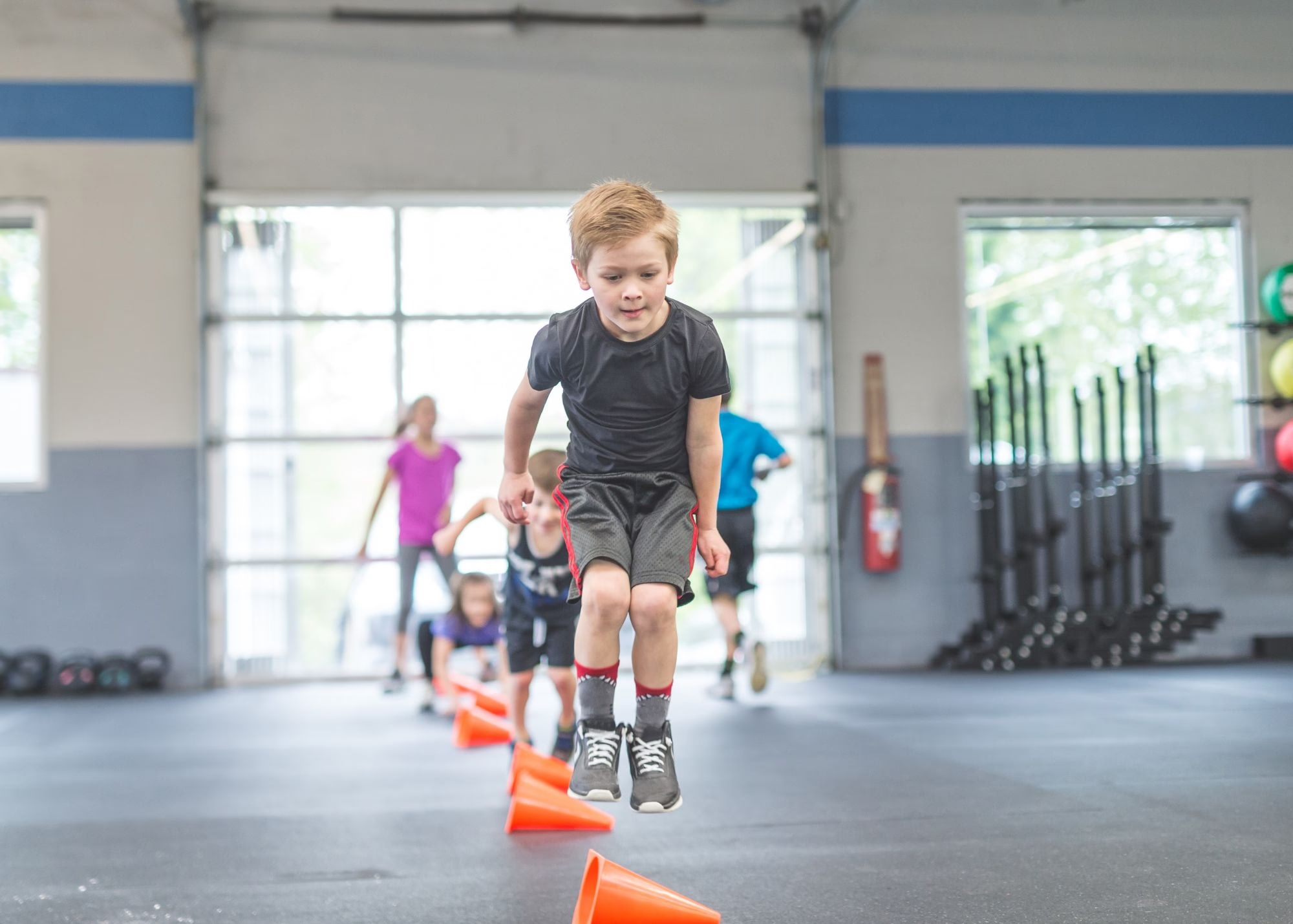
Building Resilient Children Through Pediatric Therapy
What Is Resilience, and Why Does It Matter for Children?
Resilience is the ability to adapt to challenges and recover from difficult experiences. For children, this might mean trying a new food, attempting a challenging movement, learning a new word, or returning to an activity after becoming frustrated.
As parents and caregivers, it can be difficult to watch children struggle. We naturally want to step in, solve the problem, and make things easier for them. While support is important, children also need opportunities to practice working through challenges.
Growth often happens when children try something new or do something that feels a little uncomfortable. The goal is not to overwhelm them or expect perfection. Instead, it is to provide the right amount of support while encouraging them to take the next small step.
Pediatric therapists use this approach every day. Here are four ways therapy helps children build resilience.
1. Building Trusting Relationships With Therapists
Children are more willing to try new things when they feel safe and supported. Building a trusting relationship is an important first step in pediatric therapy.
Our therapists take time to get to know each child, understand their needs, and discover what motivates them. We encourage children to make choices, work through problems, and practice new skills while maintaining appropriate boundaries for safety.
When children know their therapist is there to help, they may feel more comfortable making mistakes and trying again.
Why it matters: A strong relationship helps children develop confidence, feel supported during difficult tasks, and learn that challenges are a normal part of growth.
2. Encouraging Peer Play and Learning From Others
Children learn a great deal by watching other children. Seeing a friend try something new can inspire them to give it a try, too.
During pediatric therapy, opportunities to interact with other children can help build social skills, confidence, and resilience. Children may watch a friend work through frustration, return to play after a difficult moment, or keep trying after falling during an activity.
These experiences show children that everyone faces challenges and that making mistakes does not mean they have failed.
Why it matters: Peer play gives children opportunities to practice social skills, learn from others, and discover that they can do hard things, too.
3. Making Therapy Activities Meaningful and Fun
Have you ever struggled to stay motivated when working on something that seemed unimportant to you? Children can feel the same way.
In therapy, a child might need to practice writing their name, trying different food textures, walking up and down stairs, or making specific speech sounds. These tasks may feel difficult or uninteresting to them.
That is why pediatric therapists use activities that connect with each child’s interests and everyday life.
For example, a therapist might use bubbles, puzzles, games, or sensory toys to encourage a child to practice important skills. A child who loves playing with dolls might practice dressing, feeding, or caring for a doll. A child who enjoys exploring outdoors might work on balance and coordination through movement-based activities.
By connecting therapy goals to activities children enjoy, therapists can make challenging tasks feel more engaging and achievable.
Why it matters: Meaningful activities help children stay motivated, practice important skills, and build confidence as they work toward their goals.
4. Teaching a Growth Mindset
Have you ever heard your child say, “I can’t do it!” when faced with something difficult?
This is a common response when children feel frustrated or unsure of themselves. Pediatric therapists help children understand that struggling with a task does not mean they cannot learn it.
Maybe the activity is new. Maybe the child is tired after a long day at school. Or perhaps they need more time and practice to develop the skill.
Instead of expecting children to get everything right the first time, therapists encourage them to focus on effort, progress, and trying different approaches.
Parents can use similar strategies at home. Try saying:
- “You haven’t learned it yet, but you can keep practicing.”
- “That was hard, and you kept trying!”
- “Let’s try it a different way.”
- “You don’t have to get it right the first time.”
These simple phrases help children understand that mistakes are part of learning. Over time, they can become more willing to face challenges and try again.
Why it matters: A growth mindset helps children see challenges as opportunities to learn instead of reasons to give up.
How Can Parents Help Build Resilience at Home?
You do not have to wait for a therapy session to help your child develop resilience. Everyday routines provide opportunities to practice.
Here are a few simple ways to get started:
- Encourage independence: Let your child try age-appropriate tasks, such as putting on shoes or cleaning up toys, before stepping in to help.
- Allow room for mistakes: Help your child understand that mistakes are a normal part of learning.
- Celebrate effort and progress: Recognize when your child tries something new, even if they do not complete it independently.
- Offer support without taking over: Break challenging tasks into smaller steps and provide help when needed.
- Make practice enjoyable: Use games, favorite toys, and everyday activities to help your child build new skills.
Remember, building resilience takes time. Every child develops at their own pace, and the right amount of support will look different for each child.
Helping Children Grow Stronger at Kids Place
At Kids Place, we believe pediatric therapy is about more than reaching developmental milestones. It is also about helping children build the confidence, independence, and resilience they need to participate in everyday life.
Whether your child is working on speech and communication, feeding, fine motor skills, balance, or movement, our therapists create supportive opportunities for learning and growth. We celebrate progress, encourage children to try new things, and help them work through challenges one step at a time.
Looking for pediatric therapy for your child? Kids Place offers speech therapy, occupational therapy, physical therapy, and feeding therapy to help children build skills and reach their individual goals.
Contact Kids Place today to learn more about our pediatric therapy services and schedule an evaluation for your child.