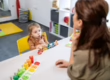

Easy Ways to Practice Speech Sounds with Your Child
Does your child have trouble saying certain sounds clearly? You’re not alone. Many children need extra practice learning speech sounds, also called articulation. The good news is that practice doesn’t have to feel like homework. With a few fun activities, you can help your child build stronger speech skills during everyday moments.
Remember, the goal is progress, not perfection. Keep practice short, positive, and encouraging. Even just 5 to 10 minutes a day can make a difference.
1. Turn Speech Therapy Practice into a Game
Children learn best when they’re having fun. Picture cards or flashcards are a great way to practice speech sounds during games.
If your child is working on the “S” sound, use pictures of words like:
- Sun
- Sock
- Sandwich
- Pencil
- House
Play games like:
- Memory
- Go Fish
- Matching games
- “Teacher and Student”
When your child says a word correctly, celebrate their success with praise like, “Great job! I heard a nice, clear S sound!” If they make a mistake, simply say the word correctly and let them try again. Gentle encouragement helps children stay confident while they learn.
2. Read Books Together to Practice Speech Therapy
Reading is one of the easiest ways to practice speech while spending quality time together.
Choose books with repeated words or lots of opportunities to hear your child’s target sound. Favorites include:
- Brown Bear, Brown Bear, What Do You See?
- Dear Zoo
- Click, Clack, Moo
- Chicka Chicka Boom Boom
As you read:
- Pause and let your child repeat words.
- Say target sounds slowly and clearly.
- Use funny voices for different characters to keep reading exciting.
Reading together builds speech skills, vocabulary, and a love of books all at once.
3. Sing Songs Together to Practice Speech Therapy
Music makes learning fun! Songs help children hear the rhythm of speech while practicing sounds over and over.
Try familiar songs like:
- The Wheels on the Bus
- Row, Row, Row Your Boat
- Nursery rhymes
Add hand motions, clapping, or dancing to make singing even more engaging. Your child may be more willing to practice difficult sounds when they’re singing a favorite song.
4. Go on a Sound Hunt to Practice Speech Therapy
Turn your home or neighborhood into a speech adventure.
Pick one speech sound and look for objects that begin with that sound.
For example, if you’re practicing “P,” look for:
- Pen
- Pillow
- Plant
- Puppy
After finding each object, have your child say the word and then use it in a short sentence.
For example:
- “I found a pen.”
- “The pillow is soft.”
This simple activity gives your child lots of natural opportunities to practice speaking.
5. Add Speech Therapy Practice to Board Games
Board games are a fun way to fit speech practice into family time.
Before each turn, have your child practice a few speech words. If your child works with a speech-language pathologist, ask for a list of practice words that match their current goals.
For the best results:
- Practice words your child can say with a little success.
- Keep the activity fun and fast.
- Focus on lots of repetitions rather than making every word perfect.
Frequent practice helps children build the muscle memory needed for clearer speech.
Tips for Successful Speech Therapy Practice
A few simple habits can make home practice more effective:
- Keep sessions short—5 to 10 minutes is plenty.
- Practice a little every day.
- Praise effort as much as success.
- Model the correct pronunciation instead of asking your child to “say it right.”
- Stop while your child is still having fun so they’ll look forward to practicing again.
Every Little Bit Helps
Speech development takes time, and every child learns at their own pace. By turning practice into games, reading, singing, and everyday conversations, you can help your child become a more confident communicator while making lasting memories together.
If your child is receiving speech therapy, ask their speech-language pathologist for activities that match the sounds and words they’re currently practicing. Working together at home and in therapy can help your child make even greater progress.
Helpful Resource
For fun speech practice ideas and articulation activities, check out the Peachie Speechie YouTube channel.