
Is My Baby Lazy? Probably Not.
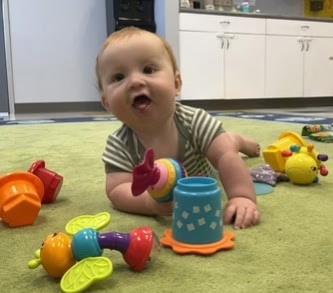 It’s something many parents have experienced.
You’re at a family gathering, and everyone is gathered around the babies. One baby is busy rolling, another is trying to crawl, while yours is content to sit, watch, and take it all in.
Then come the comments:
“How old is your baby?”
“Shouldn’t they be doing more by now?”
Or the one that can really sting:
“Oh, they’re just lazy.”
The truth is, babies aren’t lazy. Every child develops at their own pace, and there are many reasons why a baby may not be moving as much as others. Let’s take a look at a few of the most common ones.
1. They Need the Right Motivation
Just like adults, babies are more likely to do something when they’re interested and motivated.
Movement is driven by curiosity. Babies learn by exploring their environment through sights, sounds, textures, and people. If something doesn’t capture their attention, they may not feel inspired to reach, roll, or crawl toward it.
For example:
- A 4-month-old may not reach for toys if they aren’t visually or physically engaging.
- A 5- or 6-month-old may not be rolling simply because they haven’t found a reason to yet.
This doesn’t mean they’re lazy. It may mean they need more opportunities to interact with interesting toys, caregivers, and their environment.
2. They Spend Too Much Time in “Containers”
Baby equipment like swings, bouncers, walkers, jumpers, and activity centers can certainly be helpful for short periods. However, spending too much time in these devices can limit opportunities for natural movement.
Babies develop strength, balance, and coordination by moving freely on the floor. When they’re supported in equipment for long periods, they miss out on practicing important skills like rolling, crawling, and transitioning between positions.
For example:
- An 8- or 9-month-old may struggle to move from sitting to hands-and-knees.
- A 9-month-old may not yet be pulling up to stand.
Often, they simply need more floor time where they can safely explore and move on their own.
3. They May Have Low Muscle Tone
Some babies naturally have low muscle tone, sometimes described as being “floppy” or “loose.”
Muscle tone refers to how ready muscles are to respond when movement is needed. Babies with low muscle tone can absolutely learn all the same skills, but it often takes more time, energy, and effort.
Because movement requires more work, everyday activities can feel more challenging.
For example:
- A 6-month-old may have difficulty sitting independently.
- A 9-month-old may struggle to get into or stay in a hands-and-knees position.
Again, this isn’t laziness. It simply means the task is more demanding for their body right now.
Every Baby Develops Differently
Development isn’t a race, and milestone timelines are only general guidelines. Some babies need a little extra time, while others benefit from additional support to build strength, coordination, and confidence.
If you’re concerned that your child isn’t meeting motor milestones, trust your instincts. Early evaluation can help identify what’s going on and provide guidance tailored to your child’s needs.
We’re Here to Help
At Kids Place, our pediatric physical therapists work closely with families to understand why a child may be struggling with movement and milestones. We create personalized treatment plans that help children build the skills they need through play, encouragement, and family involvement.
If you have questions about your child’s development, we’d love to help. Early support can make a big difference.
References