
How Chronic Stress Quietly Changes Your Body—and How Physical Therapy Can Help
Everyone experiences stress. While we often think of it as something that only affects our minds, ongoing stress can have a significant impact on the body as well.
When stress lasts for weeks, months, or even years, it can affect how your muscles, nervous system, hormones, and immune system function. It may even change how your body experiences pain.
Chronic stress isn’t just about having a busy schedule or a lot on your plate. It’s when your body stays in “fight-or-flight” mode long after the stressful event has passed. Over time, this constant state of alert can leave you feeling tense, tired, and achy.
The good news? Physical therapy can help reduce many of the physical effects of chronic stress and get you moving more comfortably again.
What Happens to Your Body During Chronic Stress?
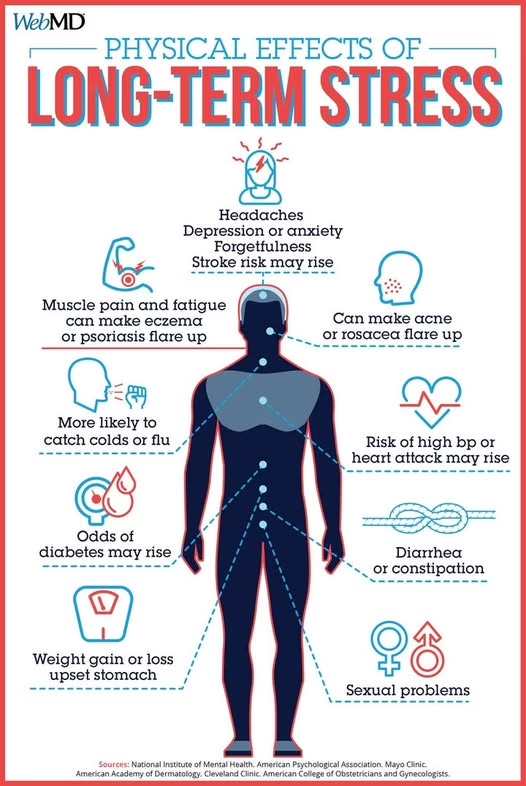
Your body has a built-in stress response that helps protect you from danger. When you face a stressful situation—whether it’s a work deadline, a difficult conversation, or a major life event—your brain releases stress hormones like cortisol and adrenaline. These hormones prepare your body to react quickly.
This response is helpful in short bursts.
The problem begins when your body never fully returns to a relaxed state. Chronic stress keeps your nervous system activated, causing your muscles to stay tight, your breathing to become shallow, and your body to remain on high alert.
Over time, this can contribute to ongoing muscle tension and pain.
How Stress Causes Muscle Pain
One of the most common physical effects of chronic stress is persistent muscle tightness. Elevated stress hormones can cause muscles to remain contracted for long periods, leading to discomfort in areas such as:
- Neck and shoulders
- Jaw
- Upper back
- Lower back
This constant tension may cause:
- Stiffness
- Frequent headaches
- Jaw pain or teeth clenching
- Muscle aches that never seem to fully go away
Even everyday activities like sitting at a desk, driving, or carrying groceries can become uncomfortable when your muscles are already tense.
Stress can also change the way you move. Many people begin to hunch their shoulders, lean their head forward, clench their jaw, hold their breath, or spend long periods sitting without moving. Over time, these habits can place extra stress on your joints and muscles, increasing the risk of chronic pain.
How Physical Therapy Can Help Chronic Stress and Tension
Physical therapy doesn’t eliminate the source of stress, but it can help your body recover from its physical effects.
1. Physical Therapy Reduces Muscle Tension
Physical therapists use hands-on treatment, stretching, and targeted exercises to relieve tight muscles. Reducing tension can improve flexibility, decrease pain, and help your body feel less stiff and guarded.
2. Physical Therapy Improves Posture and Movement
Stress often leads to poor posture and inefficient movement patterns. Your physical therapist can identify these habits and teach you healthier ways to move, reducing strain on your muscles and joints.
3. Physical Therapy Builds Strength and Resilience
A stronger body is better equipped to handle everyday physical demands. Strengthening key muscle groups can reduce fatigue, improve endurance, and help prevent pain flare-ups during stressful times.
4. Physical Therapy Can Break the Stress-Pain Cycle
Stress can increase pain, and ongoing pain can create even more stress. This cycle can be difficult to break on your own.
Physical therapy helps interrupt this cycle by improving movement, decreasing muscle tension, and giving you practical strategies to manage your symptoms.
Healthy Habits That Support Recovery
Physical therapy is most effective when combined with healthy daily habits. Simple changes can make a big difference, including:
- Taking short movement breaks throughout the day
- Going for regular walks
- Stretching when you feel tight
- Practicing slow, deep breathing
- Getting enough quality sleep
These habits won’t eliminate stress, but they can help your body respond to it in a healthier way.
Your Body Deserves Support
Living with chronic stress can be exhausting. If you’ve noticed ongoing muscle tension, aches, headaches, or fatigue, your body may be telling you it needs help.
Physical therapy offers more than pain relief. It can help restore movement, reduce muscle tension, improve strength, and give you the tools to better manage the physical effects of stress.
If stress-related pain is interfering with your daily life, talk with a physical therapist. Together, you can develop a personalized plan to help you move more comfortably, feel stronger, and regain control of your health.
Reference
Buscemi V, Chang WJ, Liston MB, McAuley JH, Schabrun SM. The Role of Perceived Stress and Life Stressors in the Development of Chronic Musculoskeletal Pain Disorders: A Systematic Review. Journal of Pain. 2019;20(10):1127-1139.