
Why Am I Not Recovering Faster?
The Role of Sleep and Nutrition in Physical Therapy Recovery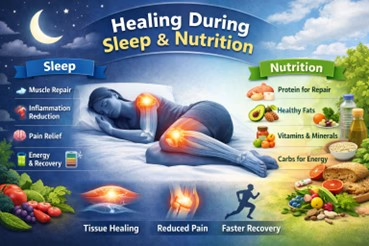
One of the most common questions patients ask during physical therapy is “Why am I not getting better faster?”
At AzOPT, we focus on individualized treatment plans, hands-on care, and targeted exercise programs to help you recover safely and efficiently. However, recovery doesn’t only happen during your time in the clinic. What you do outside of therapy sessions plays a major role in how your body heals.
Two often overlooked factors that can significantly influence recovery are sleep and nutrition. When these areas are not optimized, it can slow healing and make progress feel more difficult.
Sleep is One of the Most Important Tools for Recovery
Sleep is when your body does much of its repair work. Most adults need 7–9 hours of quality sleep each night for optimal healing and physical performance.
During sleep, the body works to:
-
Repair muscles and connective tissue
-
Reduce inflammation
-
Regulate pain sensitivity
-
Restore energy levels
-
Improve coordination and movement control
When sleep quality is poor, the body has a harder time completing these processes. This can lead to longer recovery times, increased pain, and decreased energy for your therapy exercises.
The Connection Between Pain and Sleep
Many patients experience disrupted sleep because of pain or discomfort. Unfortunately, poor sleep can also make the body more sensitive to pain, creating a cycle that can slow recovery.
Small changes can often improve sleep quality:
-
Maintain a consistent sleep and wake schedule
-
Limit screen time 30–60 minutes before bedtime
-
Use pillows to support injured areas
-
Apply heat packs to relax muscles before bed
-
Follow your home exercise program to help reduce stiffness and pain
Even improving sleep by 30–60 minutes per night can have a meaningful impact on recovery and overall well-being.
Nutrition Fuels Your Body for Healing
Your body needs the right nutrients to rebuild tissues and recover from injury. When you are participating in physical therapy, your body is working harder to repair damaged muscles, tendons, and ligaments.
If your body does not receive adequate nutrition, healing can slow down.
Poor nutrition during recovery may lead to:
-
Slower tissue repair
-
Increased fatigue
-
Reduced ability to perform exercises
-
Greater risk of reinjury
The Importance of Eating Enough
A common issue we see is patients increasing their activity level in therapy while unintentionally under-eating. As your body becomes more active during rehabilitation, it needs additional fuel.
Key nutrients that support recovery include:
-
Protein – supports muscle and tissue repair
-
Healthy fats – assist with inflammation control and cellular repair
-
Carbohydrates – provide energy for therapy and daily activity
-
Vitamins and minerals – support the body’s healing processes
-
Hydration – helps deliver nutrients to healing tissues
Staying well hydrated and keeping healthy snacks available throughout the day can help ensure your body has the resources it needs to recover effectively.
Recovery Happens Between Your Therapy Visits
At AzOPT, your therapy sessions are designed to guide your recovery and help you progress safely. However, the time between visits is just as important.
By prioritizing:
-
Consistent, quality sleep
-
Balanced nutrition
-
Following your home exercise program
you create the best possible environment for your body to heal.
Recovery is a team effort — and small improvements in daily habits can make a big difference in your progress.
If you have questions about your recovery, sleep, or how to better support your therapy plan, your AzOPT physical therapist is always happy to help guide you.
References
Simpson, N. S., et al. (2017).
Sleep and the athlete: Narrative review and 2021 expert consensus.
British Journal of Sports Medicine, 51(2), 105–113.
Dattilo, M., et al. (2011).
Sleep and muscle recovery: Endocrinological and molecular basis for a new and promising hypothesis.
Medical Hypotheses, 77(2), 220–222.
Haack, M., et al. (2012).
Sleep deficiency and chronic pain: Potential underlying mechanisms.
Current Pain and Headache Reports, 16(2), 153–162.
Tipton, K. D., & Wolfe, R. R. (2004).
Protein and amino acids for athletes.
Journal of Sports Sciences, 22(1), 65–79.
Close, G. L., et al. (2016).
Nutrition for the prevention and treatment of injuries in track and field athletes.
International Journal of Sport Nutrition and Exercise Metabolism, 26(2), 189–197.
Smith, B. E., et al. (2019).
Pain and musculoskeletal disorders: The role of lifestyle factors.
British Journal of Sports Medicine, 53(23), 1420–1426.
National Institutes of Health (NIH).
Sleep deprivation and deficiency.