6 Reasons to Not Let Your Child W-Sit
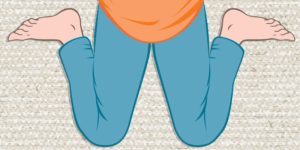 What is W-Sitting?
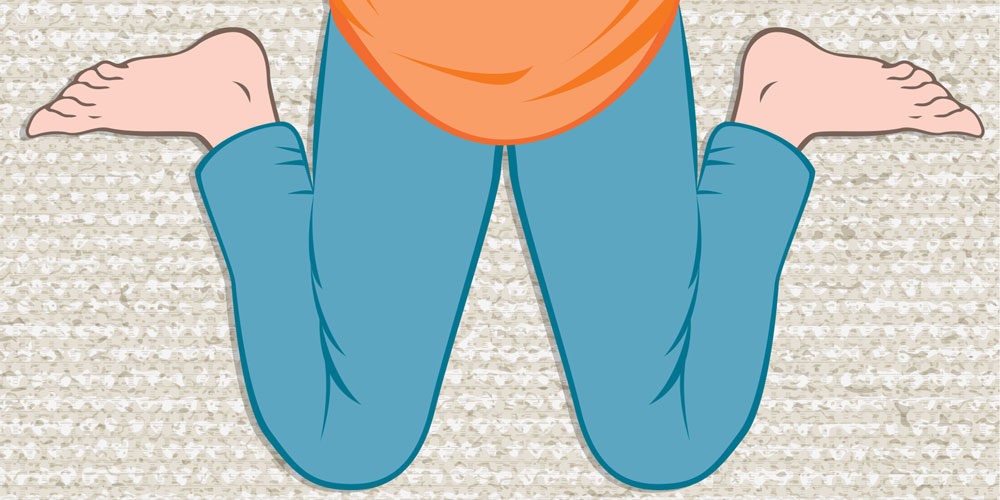
W-sitting is a sitting position where someone sits on their bottom with their knees bent and their feet placed out to the sides behind them, forming a “W” shape with their legs. A lot of times people think that this is a natural position for kids, but it can have a negative impact on their musculoskeletal development and may be an indication of deficits elsewhere.
Why do we discourage W-Sitting?
As parents or caregivers, you probably often observe children sitting in various positions throughout the day. While W-sitting might seem comfortable for your little one, it can lead to issues that may impact them throughout their whole lives. Here are some of the areas that can be impacted by W sitting, or may be leading to W-sitting and why it is not a good choice for a child’s development.
- Impact on Hip Development
W-sitting puts excessive strain on the hips because the child’s legs are rotated to the extremes of the normal range. This unnatural rotation can affect the alignment of the hip joint and cause the long bones in the thighs and lower leg to become twisted which will alter normal alignment. Because the growth plates are still open in children this pressure can change the shape and alignment of bones and if not corrected, they will remain poorly aligned the rest of their lives once their growth plates close. This can cause in-toeing (pigeon toes), knee issues, hip issues, low back issues, and spine issues in childhood and later in life.
- Weakening Core Muscles
When children sit in the W position, they don’t engage their core muscles (abdomen, glutes, and back) as much as they would in other sitting positions as they use the rotation in legs and wide base of support rather than core to stabilize. This can be due to weakened core strength or can cause decreased core strength and stability over time. Strong core muscles are crucial for balance, posture, and motor coordination, which are vital for activities like walking, running, and playing with friends.
- Postural Issues
The W-sit can also affect the spine’s alignment. By placing the body in a position that doesn’t properly engage the spine, and alignment compensations, children may be more likely to develop poor posture habits that can lead to back and neck pain or even scoliosis in the future.
- Reduced Flexibility and Mobility
The more someone sits in this position at extreme ends of rotation they will lose mobility in the hips especially into external rotation, and will lose strength in external rotation muscles due to lack of use and over stretching. Hip external rotation is important for maintaining proper alignment throughout the spine and entire lower extremity. W-sitting can also restrict range of motion in the hip flexors and hamstrings which will limit upright posture and contribute to postural deficits. Additionally, W-sitting may limit the child’s ability to transition into other positions, such as kneeling, sitting cross-legged, or standing, all of which are important for proper motor development and age-appropriate mobility and play.
- Balance and Coordination
While children may appear stable in the W-sitting position, they are not using their full range of balance and coordination skills. Sitting with their legs splayed out prevents them from engaging in dynamic movements like shifting weight or crossing the midline of the body (an important motor milestone). If someone is unable to perform dynamic and transitional movements in sitting they will likely be limited in other positions which can further limit their participation with peers in play and sports.
- Risk of Injury
Due to the postural stability and control issues, children who W-sit often have difficulty with balance and coordination limiting their confidence and independence with play activities because of the instability or frequent falls. The alignment issues also often lead to abnormal gait and movement patterns, such as pigeon toes or knocked knees, which put them at increased risk of tripping and falls.
What Should You Encourage Instead of W-Sitting?
To promote healthy physical development and encourage the use of core muscles, and to gently discourage the W-sitting position and encourage alternative sitting postures such as:
- Cross-legged sitting (criss-cross applesauce)
- Long sitting with legs extended in front
- Side sitting, where one leg is bent and the other is out to the side
- Kneeling with bottom lifted off the floor/feet, or sitting on a chair
At first you might have to help them into these positions because of their limitations in coordination, mobility, and strength. However, I recommend that as you help them transition out of W-sitting you use a verbal cue as well such as “fix your feet” or “feet in front”, or whatever cue works best for you. Eventually, you should be able to just use the verbal cue and the child can correct on their own.
Your Child’s Development
W-sitting may appear harmless, but over time, it can have a lasting impact on a child’s physical development. By encouraging better sitting posture and providing a variety of positions for your child to experiment with, you can help them build strong muscles, improve flexibility, and set the foundation for healthy posture and movement as they grow. If you’re concerned about your child’s sitting habits, don’t hesitate to reach out to a pediatric physical therapist for personalized treatment.