Floor Time is a therapeutic approach that fosters emotional, social, and cognitive development in children, particularly those with speech delays or developmental challenges like autism. This method is centered around play, where caregivers engage with the child at their level, typically on the floor, to build a connection, encourage communication, and support growth.
Here’s a simple guide on how to practice Floor Time effectively.
Follow the Child’s Lead
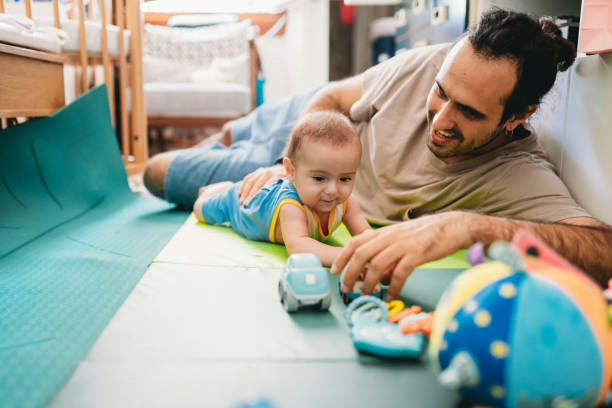
The foundation of Floor Time is observing and engaging with the child based on their interests. Watch what the child is doing—whether playing with a toy, making noises, or engaging in a specific activity—and join in. This ensures the child feels seen and understood, creating an opportunity for meaningful interaction. If the child pushes a toy car back and forth, simply pick up a similar toy and follow their actions. The key is not to direct the play but to allow the child to take the lead.
Be Fully Present
To engage the child effectively, get down to their level—literally. Sitting or kneeling on the floor helps create an environment where the child feels comfortable and supported. This level of involvement also signals that you’re truly paying attention to them. Minimize distractions, like phones or other tasks, so that you can focus fully on the child. Your presence and enthusiasm are critical to keeping the child engaged.
Build Emotional Connections
Floor Time is not just about play—it’s about forming strong emotional bonds. Use warmth, affection, and excitement to connect with the child. Express joy when they engage with you through laughter, eye contact, or verbal cues. You can also mirror their actions or sounds to show them you’re attuned to their behavior. For example, if the child makes a sound, repeat it back to them. This helps them feel understood and supported, builds trust, and encourages more interaction.
Encourage Communication
If the child isn’t yet verbal, use simple words or sounds to encourage communication. For instance, when playing with a toy, you might say, “Vroom, vroom!” to model language. If the child begins making gestures or sounds, respond with enthusiasm. If they use a word or phrase, expand on it: if they say “car,” you might say, “Yes, that’s a red car!” This models language in a natural, interactive way that promotes speech development.
Introduce Challenges Gradually
As the child becomes more comfortable, you can introduce new elements to the play to encourage more complex skills. If they enjoy stacking blocks, try adding a challenge, like stacking them higher or creating a new structure. Gently suggest new ideas promoting problem-solving, such as using a toy car to climb a ramp. The goal is to offer new opportunities for learning while staying in tune with the child’s pace.
Encourage Social Interaction
In Floor Time, social skills like turn-taking, eye contact, and shared attention are fostered through play. If the child plays alone, gently invite them to engage with you. For example, rolling a ball back and forth can promote joint attention and eye contact. You might also model social behaviors like waiting turns or sharing toys.
End on a Positive Note
When the play session ends, aim to end calmly and positively. This could involve wrapping up the activity with a simple statement like, “That was fun! Let’s do it again later.” This helps the child feel content and signals that the session is ending, but in a way that leaves them eager for the next interaction.
In conclusion, Floor Time is a valuable tool for promoting children’s speech, social, and emotional development. By following the child’s lead, being emotionally present, and gradually introducing new challenges, caregivers can create an environment where children feel safe, supported, and encouraged to grow. If you have questions about Floor Time or about your child’s development, Kids Place Pediatric Therapy in Arizona is here to help!