
How Physical Therapy Helps Headaches
Headaches affect approximately 47% of the population. Headaches are a type of pain or discomfort that occurs in the face or head that can be described as throbbing, dull, constant and/or sharp. Headaches can differ depending on pain type, severity, location and frequency. Having frequent moderate to severe headaches can disrupt quality of life and make it more difficult to perform activities of daily living.
Are all headaches the same?
There are many types of headaches and they are commonly named based on symptoms, triggers and whether they are primary (no underlying cause) or secondary (due to another underlying condition such as sinus infections, medication overuse, brain tumors, meningitis, dehydration, fever, etc).
Types of headaches include:
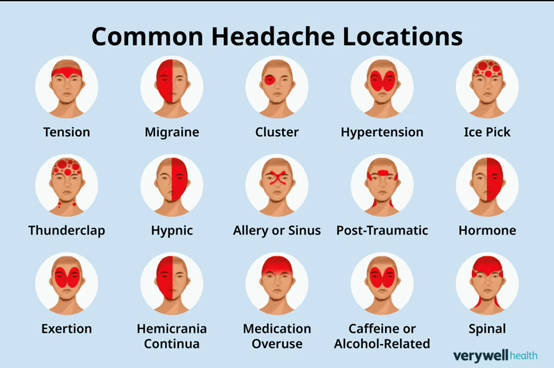
- Cluster headaches: Rapid onset, excruciating pain in vicinity of the eye. Tearing and redness of eye, runny, congested nose, flushing of the face. May last for 15 minutes to 3 hours if untreated. Repeated daily attacks for weeks, may disappear for months or years. More common among men and frequently appears between ages 20-50.
- Migraine: Typically one sided, but changes sides often and is not associated with specific neck motions. Often includes an “aura” 30-45 minutes before a headache, that often consists of light sensitivity, nausea, etc. Often unknown cause but can be due to systemic inflammatory conditions.
- Tension headaches: most common type of headache, lasting from 30 minutes to 7 days and is commonly on both sides. Tension headaches are often reported as a pressing or tightening (non-pulsating) feeling with mild to moderate intensity and is not aggravated by physical activity. No signs of nausea or light sensitivity symptoms.
- Cervicogenic headaches: Typically one sided and is brought on with specific head movements and thought to be caused by irritation to joints in upper neck, which correlates to nerves in the upper spinal cord. Often caused by injuries such as whiplash following blunt force trauma to the head and neck or a car accident , poor posture, cervical spine conditions such as arthritis or nerve compression.
- Secondary headaches: related to dehydration, sinus infections, allergies, hormonal changes, often treated with medication, lifestyle changes such as dietary changes or increase in water intake. Can also attend a consultation with a primary care doctor or hormonal specialist, dietician if needed for symptom management.
What are some causes of headaches or things that may trigger them?
Some causes of headaches include diet or lifestyle factors such as consuming processed foods, changes in sleep behaviors or lack of sleep, poor posture, skipping meals, dehydration, stress, eye straining and consuming alcohol (red wine). Can also be a secondary symptom caused by conditions such a sinus infection, the flu, high blood pressure or hormonal changes.
What can physical therapy do for headaches?
Physical therapy has been proven to assist with decreasing or resolving the intensity, frequency, and duration of headaches, decrease medication use, improve function and mobility, improve ease of neck pain and improve motion of the neck as well as improve quality of life.
Physical therapy for headaches may include:
- Manual therapy to assist in relieving joint and muscle stiffness, improve mobility of the head and neck, decrease muscle tension and spasms and improve muscle performance. May include interventions such as massage, gentle passive stretching or dry needling.
- Exercise to decrease pain, improve endurance, decrease inflammation and promote overall healing. Often includes postural retraining and strengthening of muscles surrounding your spine.
- Education to help lessen severity or frequency of headaches and to teach you how to identify specific triggers such as diet, sleep, postural habits, stressors and hydration. Will also teach you how to help alleviate symptoms through relaxation techniques and safe and gentle mobility.
Are there any exercises I could do on my own for my headaches? Are my headaches treatable with physical therapy?
If you are experiencing headaches due to poor posture, muscle tension, neck pain or stress (often tension or cervicogenic headaches) research shows physical therapy and exercise are most beneficial for these types of headache groups. These types of headaches are known to be respond favorably to physical therapy based on evidence because they have identifiable causes that physical therapists are able to address through hands-on interventions and appropriate exercises depending on severity.
Exercises include gentle stretches, mobility and strengthening. Make sure to start gentle and perform with no worsening of neck pain or headaches. If worsening of pain or headaches, discontinue exercise and consult a medical professional if needed. Complete exercises once to time daily.
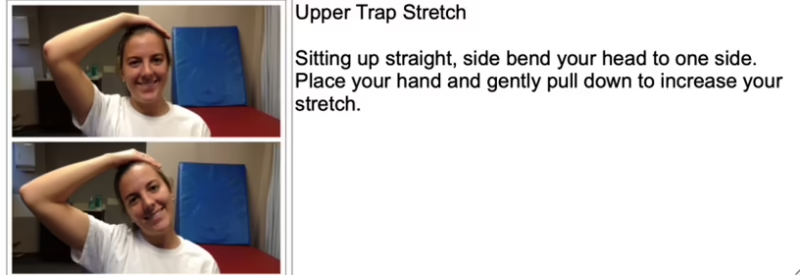
Upper Trap Stretch
Hold stretch for 30 seconds and repeat 2-3 times per side.
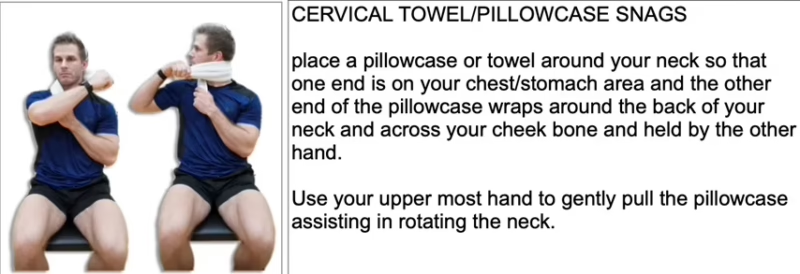
Neck Rotation Assisted Stretch
Hold each stretch for 3-5 seconds and repeat 5-10 times each direction. Can also perform laying down.
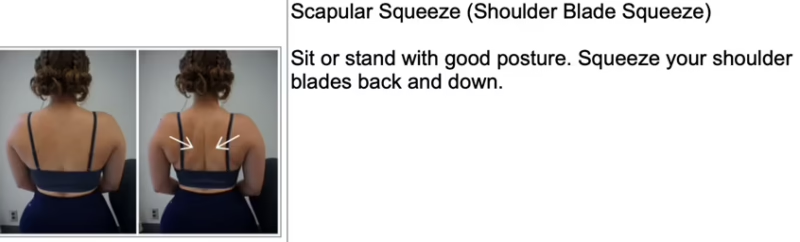
Scapular Retraction
Hold for 3-5 seconds and perform 20 repetitions with breaks as needed.
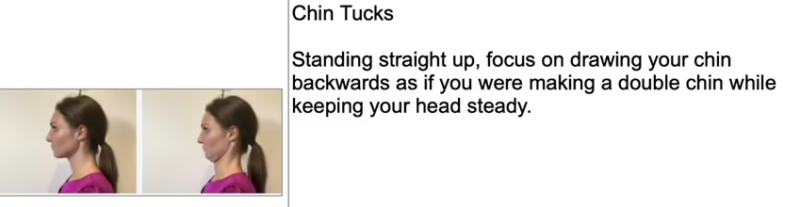
Chin Tucks
Hold for 3-5 seconds and perform 10 repetitions.
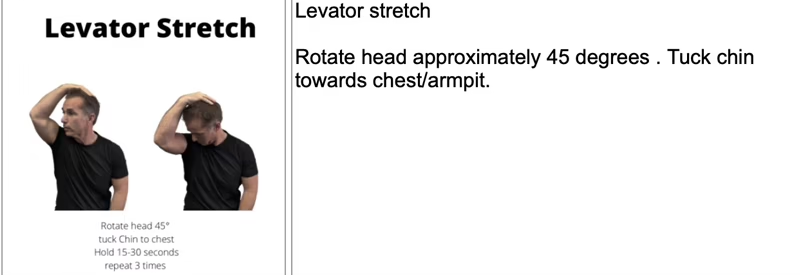
Levator Stretch
Hold stretch for 30 seconds and repeat 2-3 times per side.
If you’re finally ready to take control of your headaches, contact us here at Arizona Orthopedic Physical Therapy today! We have 5 physical therapy clinics in Arizona ready to help you feel better, function better, and live better.
Resources
- The Complete Headache Chart. National Headache Foundation. (n.d.). https://headaches.org/resources/the-complete-headache-chart/
- Mayo Foundation for Medical Education and Research. (2025, August 12). Cluster headache. Mayo Clinic. https://www.mayoclinic.org/diseases-conditions/cluster-headache/symptoms-causes/syc-20352080
- Headache: What it is, types, causes, symptoms & treatment. Cleveland Clinic. (2025, November 18). https://my.clevelandclinic.org/health/diseases/9639-headaches
- Health tips: 3 ways a physical therapist can help manage headaches. Choose PT. (2018, December 5). https://www.choosept.com/health-tips/3-ways-physical-therapist-help-manage-headaches


