
Pediatric Therapy: More Than Play — It’s Purposeful, Challenging, and Transformational
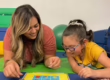
When parents first walk into a pediatric therapy session—whether physical, occupational, or speech therapy—it can sometimes look like playtime. You may see toys, swings, games, obstacle courses, and a lot of smiling.
But behind every activity is a purposeful therapeutic goal.
Pediatric therapy may look like play on the surface, but it is carefully designed to help children develop skills they may not be able to build on their own without specialized support.
Every movement, game, and challenge is part of a plan to help your child grow stronger, more confident, and more independent.
Why Pediatric Therapy Can Feel Hard
Children come to therapy because they need extra guidance, practice, and support to reach developmental milestones. And just like learning any new skill, it can sometimes feel challenging.
It’s completely normal if you notice things like:
- Increased clinginess before or after sessions
- Bigger emotions or frustration
- Moments of crying or resistance
These reactions do not mean therapy is harmful or wrong for your child. In many cases, it means therapy is working. Your child is being asked to try new things, solve problems, and practice skills that don’t yet feel easy.
Growth often happens just outside of a child’s comfort zone.
Building Trust Comes First in Pediatric Therapy
One of the most important parts of pediatric therapy is building a relationship with your child.
During the first few sessions, you may notice:
- Activities that seem easier
- Lots of playful interaction
- Time spent building comfort and trust
This is intentional.
Children need to feel safe, supported, and comfortable with their therapist before they can tackle more difficult tasks. Once that trust is established, therapists gradually introduce challenges that help children grow.
Challenge Is Essential for Growth in Pediatric Therapy
Skill development happens when children are encouraged to stretch their abilities.
Pediatric therapists carefully balance challenge and support by:
- Setting expectations that are high—but achievable
- Understanding child development and how skills build over time
- Recognizing what your child is capable of accomplishing
- Encouraging effort, persistence, and confidence
While activities may look like play, they are actually structured therapeutic exercises designed to build:
- Strength and coordination
- Communication skills
- Emotional regulation
- Independence in daily activities
- Confidence in trying new things
Pediatric Therapy Isn’t Always Comfortable—And That’s Okay
Some therapy sessions will be easy and fun. Others may feel frustrating or overwhelming for your child.
There may be moments when they resist a task or say something feels too hard. This is a natural part of learning.
And then something amazing happens…
A skill suddenly clicks.
A goal is reached.
Your child realizes they can do something that once felt impossible.
Those are the moments when you see the huge smiles, proud hugs, and excitement that make all the effort worthwhile.
The Role of Parents in Pediatric Therapy: Partner, Learner, Supporter
Parents are an important part of the therapy team, and we love having you involved!
Being present during sessions can help you:
- Understand what your child is working on
- Learn strategies to practice at home
- Celebrate your child’s progress
At times, though, the most helpful thing a parent can do is take a small step back. Many therapists are parents themselves—we know how hard it can be to watch your child struggle. The instinct is to step in, help, or comfort.
But growth often happens when children are given the space to try, struggle, problem-solve, and succeed. Children with disabilities deserve the same opportunity to build resilience and confidence through hard work.
Trust the Process in Pediatric Therapy
Pediatric therapists spend a lot of time getting to know your child—their strengths, their challenges, and their incredible potential.
During therapy we constantly adjust by:
- Gradually increasing challenges
- Supporting your child when tasks feel difficult
- Scaling back when something becomes overwhelming
- Celebrating every step of progress
Knowing when to encourage, when to assist, and when to step back is part of the skill and experience pediatric therapists bring to each session.
Every decision we make is focused on helping your child succeed.
Pediatric Therapy: A Shared Journey
Therapy works best when parents, therapists, and children work together toward a common goal: helping your child build the skills they need to thrive.
If you ever have questions about an activity or approach, please reach out to us here at Kids Place Pediatric Therapy. We are always happy to explain the “why” behind what we do.
Your child is capable of incredible things. Thank you for trusting us to be part of their journey.